About the Guide
THE SECOND EDITION OF THIS POPULAR BOOK NOW AVAILABLE.
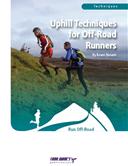
48 page black and white A5 booklet focussing on the skills and techniques needed to be a successful downhill runner.
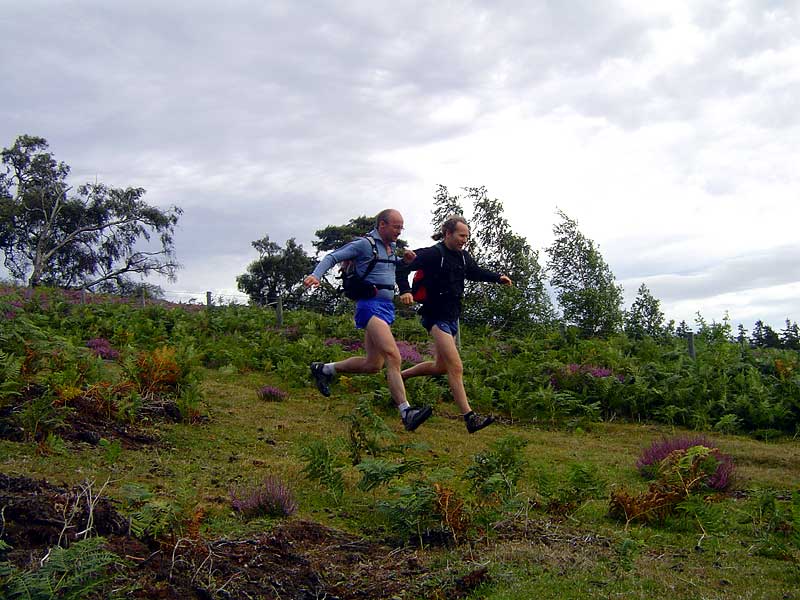
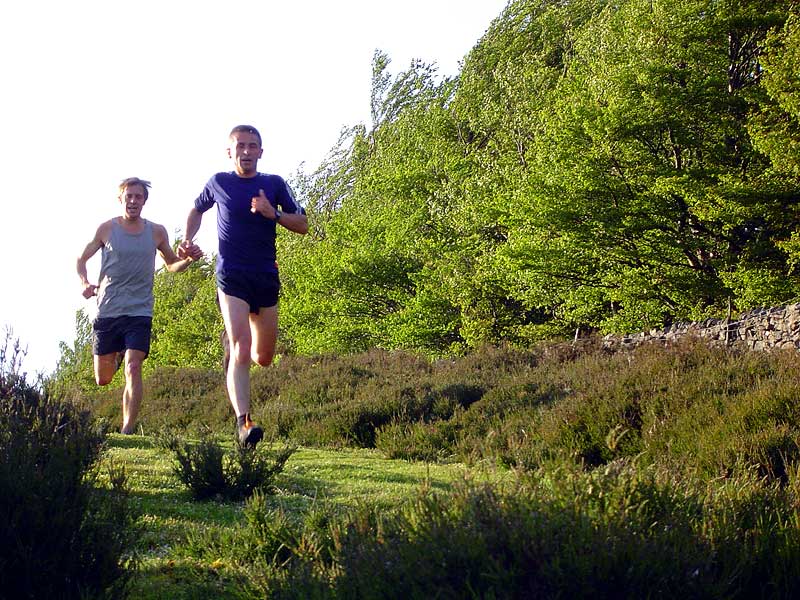
In both trail running and fell running one of the most effective skills necessary is to be able to run downhill fast and safely. The first section of this booklet describes what happens to the body when it runs downhill before describing how to prepare and condition the body for downhill running through both strength and suppleness. It then moves on to cover and detail the essential skills and techniques of taking a line, improving your balance, eye/foot coordination, angle of lean, stride length and foot plant.
In the final sections the author describes how to construct and prepare a downhill training session covering the different types of session and which would be the most appropriate for the event that you are preparing for.
This book is appropriate for all those runners who partake in trail running, fell and hill running, mountain running and mountain marathons.
When running off-road, whether it is fell, trail, cross-country or orienteering you will inevitably come across hills and as the saying goes, what goes up, must come down again. Most runners tend to think that the ability to run well downhill is something that you are born with or is handed to you when you leave the asylum.
Fortunately it is neither. Rather it is a skill that, with correct conditioning and practice, can be prepared for and learnt.
Written by one of the North East's leading off-road coaches, this guide will show you how to prepare physically, the techniques to practice and also how to construct a training programme to improve your downhill running.
Contents
- Introduction
- Physical Aspects of Running Downhill
What Happens When You Run Downhill
Conditioning the Body for Running Downhill
Strength
Suppleness - Technical Aspects of Running Downhill
Downhill Techniques
Planning
Route Choice
Balance
Eye/foot co-ordination
Angle of lean
Stride length
Foot plant
Stamina/lactic build-up
Transition
Running with a rucksack
Footwear
Mental attitude - Training Sessions for Improvement
Constructing a Downhill Session
Putting it all together
Shallow descent, good running surface
Medium descent, medium surface
Steep descent, rough surface
Steep descent, scree surface - Summary